FSBI 2026 Annual Symposium
27th-31st July 2026
Breaking Siloes in Fish Biology, Southampton

The 2026 Symposium, convened by University of Southampton, is about breaking siloes in fish biology.
The conference aims to bring together scientists from a range of disciplines to explore ways of integrating our research and strengthening relationships with stakeholders and policymakers.
For any enquiries please contact FSBI2026@soton.ac.uk
Breaking Siloes in Fish Biology
Fish populations are facing extensive concurrent pressures from climate change, pollution, parasites, fishing and more. The impacts of these challenges create wide-ranging issues, such as food security, altered biogeochemical cycles, degraded habitat quality, and more. Developing future solutions to these diverse problems requires interactions among multiple disciplines. By breaking down siloes and actively engaging in interdisciplinary discussion and research, we can better inform legislation, management and policy, which happen at these borders.

Movement through transition zones
How do mobile fish, elasmobranchs, and marine mammals alter their ecology as they move through different types of habitats? This session will bring together researchers working at the interfaces between pelagic and inshore habitats, marine and freshwater systems, deep and shallow seas, and tropical to polar habitats.

Fish biology in a urbanised environment
What challenges do fishes face in aquatic ecosystems adjacent to urban areas? In this session, we aim to hear from ecological engineers, geographers, conservationists and more to understand how urban areas impact fishes in diverse areas of the UK and globally.
The fisheries-science policy interface
In the UN Decade of Ocean Science, how can we effectively facilitate dialogue among scientists, policy-makers, and the public to ensure the best possible outcomes by 2030? This session will aim to bring together academics, policy-makers, industry, and public-facing professionals to facilitate constructive dialogue on how to incorporate fisheries science effectively into policy.
Fish and human health
How could challenges facing fish stocks globally impact human health in the short and long-term? Here, we aim to bring together industry, medical professionals, policy-makers, and researchers working on topics related to aquaculture, fisheries, nutrition, and biochemistry.

Fisheries management in a changing world
How can we adapt fisheries management in the future to mitigate the impacts of projected future global change? In this session, we will bring
together practitioners working at the interface of fisheries science and global change biology to design actionable change for the future.

Patterns across ecological scales
How are fishes influenced by spatio-temporal variation in the organisms that they interact with,
such as prey, predators, competitors, parasites, commensals, etc? This session aims to characterize interspecific interactions among fishes and other taxa, bringing together researchers and practitioners
focused on trophic ecology, biomechanics, ecophysiology, behavioural ecology and more.

Incorporating behaviour and physiology into fish conservation
How can we incorporate science on fish behaviour and physiology into conservation solutions? Data from these disciplines is increasingly being recognized for its utility for animal conservation and resource management. This session will bring together behavioural ecologists and ecophysiologists with policy-makers and practitioners to devise applied conservation solutions.
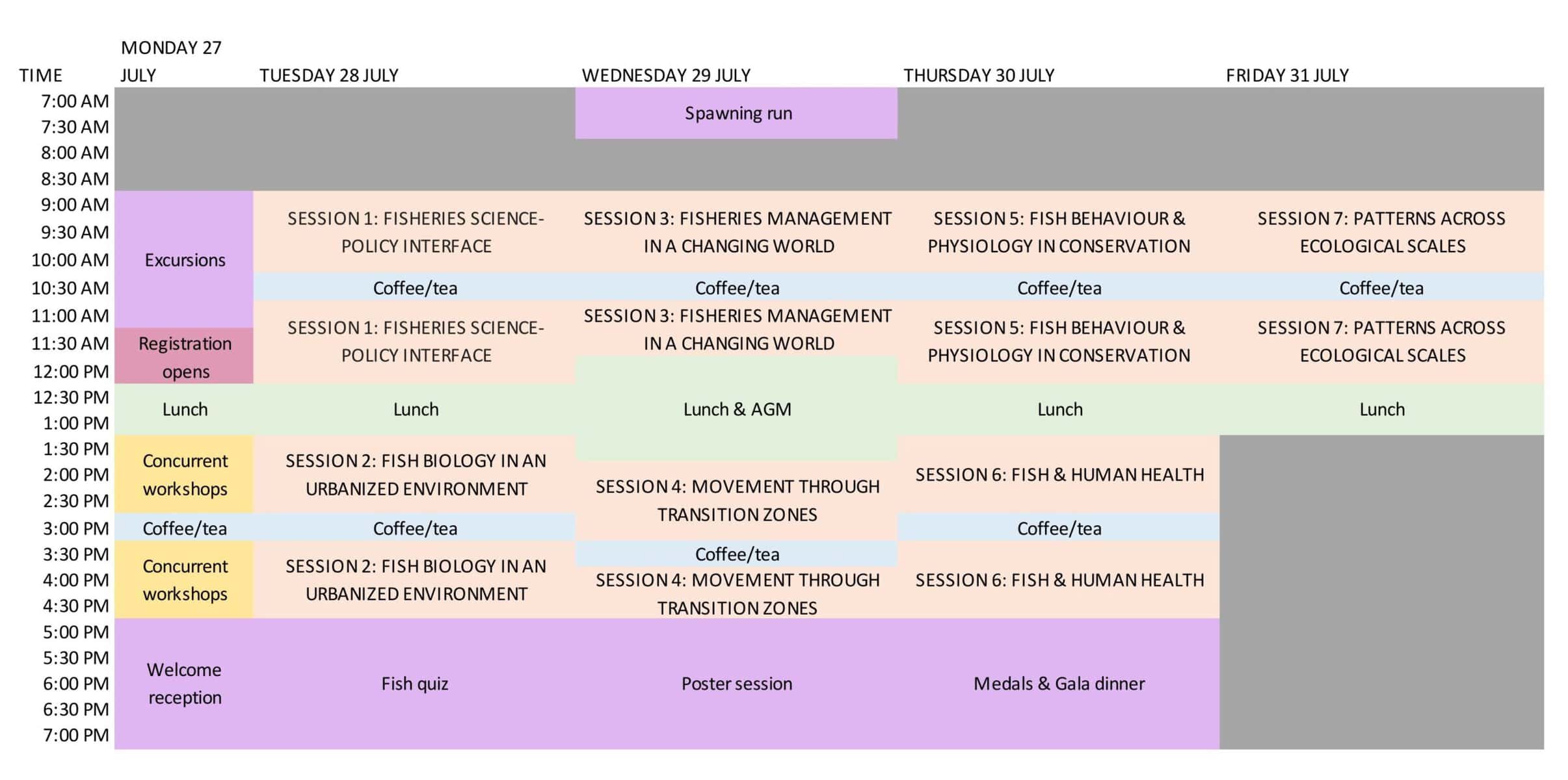
*Note that exact daily timings are subject to shift slightly prior to the meeting as planning is finalized but the general daily layout, and specific session days, will remain the same.
Dinner is included every evening. It will be served at 6:00 pm Monday through Wednesday and at 8:00 pm on Thursday.
Keynote Speakers
Jack Jones lecture
Fisheries science-policy interface
University of British Columbia
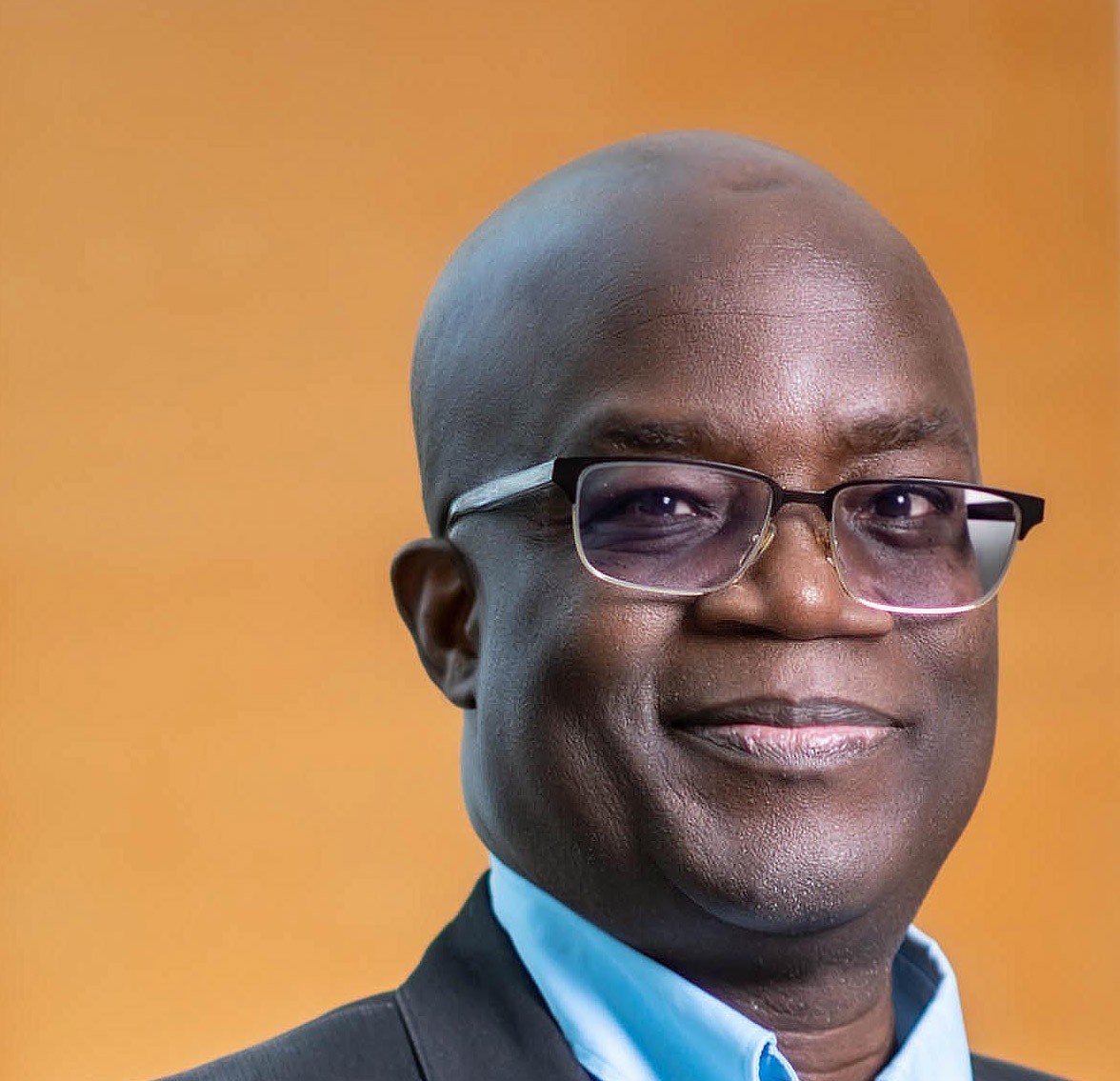
Rashid Sumaila is Canada Research Chair (Tier 1) in Interdisciplinary Ocean and Fisheries Economics and University Killam Professor, Institute for the Oceans and Fisheries and the School of Public Policy and Global Affairs (SPPGA). Dr. Sumaila specializes in bioeconomics, marine ecosystem valuation and the analysis of global issues such as fisheries subsidies, IUU (illegal, unreported and unregulated) fishing and the economics of high and deep seas fisheries.
Talk details to follow.
Fish and human health
Cefas
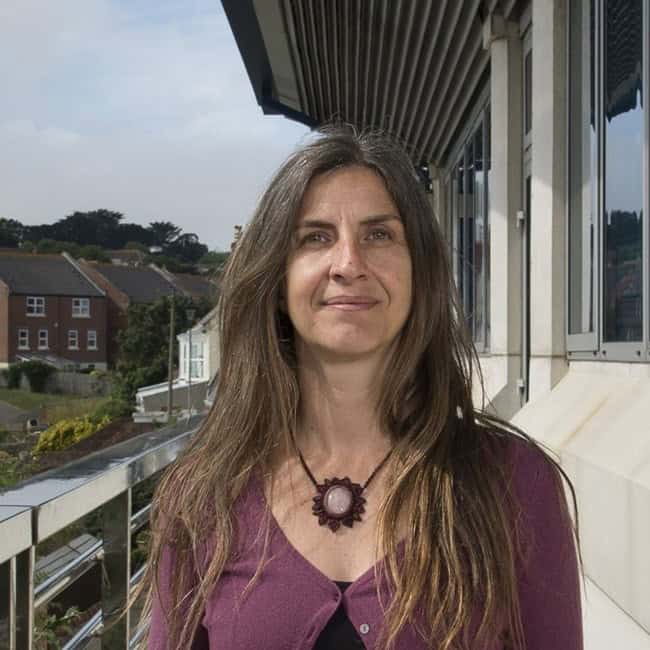
For over 25 years, Ioanna has been conducting research on the impact of contaminants, especially endocrine disrupting chemicals, on fish and other aquatic animals, directed at advising UK government bodies, expert committees and international organisations. Her research contributed directly to the development of OECD test guidelines for assessing chemical hazards and more recently the development of NAMs (New Approach Methodologies).
As a veterinarian, Ioanna is a strong proponent of the One Health framework, although its application is frequently limited to zoonotic diseases, which represent only a small dimension of the interdependence between fish and human health. In this presentation, she will examine how natural and anthropogenic chemicals establish explicit links between fish and human health outcomes, underscoring the need for integrated chemical and biological assessment within the One Health paradigm.
Fish behaviour & physiology in conservation
Carleton University
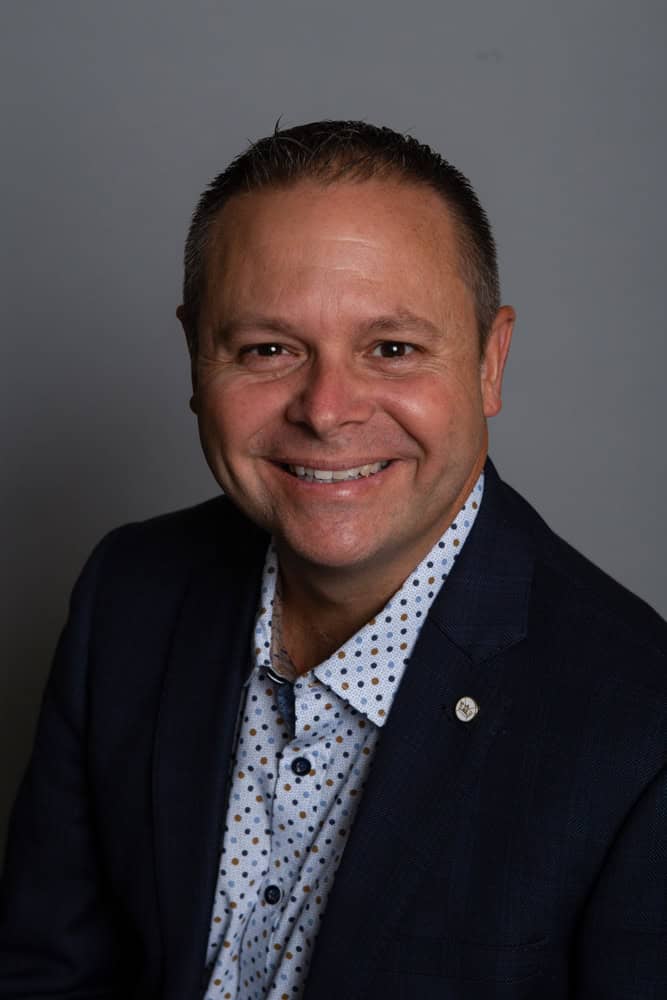
Steven’s research spans the natural and social sciences with a focus on generating durable solutions to complex problems facing fish populations and aquatic ecosystems. He is also an “evidence champion” working with partners to build capacity for evidence-informed decision-making and practice.
Steven’s presentation will focus on fundamentals of interdisciplinarity – the why, when, and how – with particular reference to fish biology and applied fisheries science. He will draw upon diverse literature and his experiences (successes and failures) to provide a candid perspective on the benefits and challenges of embracing an interdisciplinary approach to science and management.
Fisheries management in a changing world
Marine Biological Association
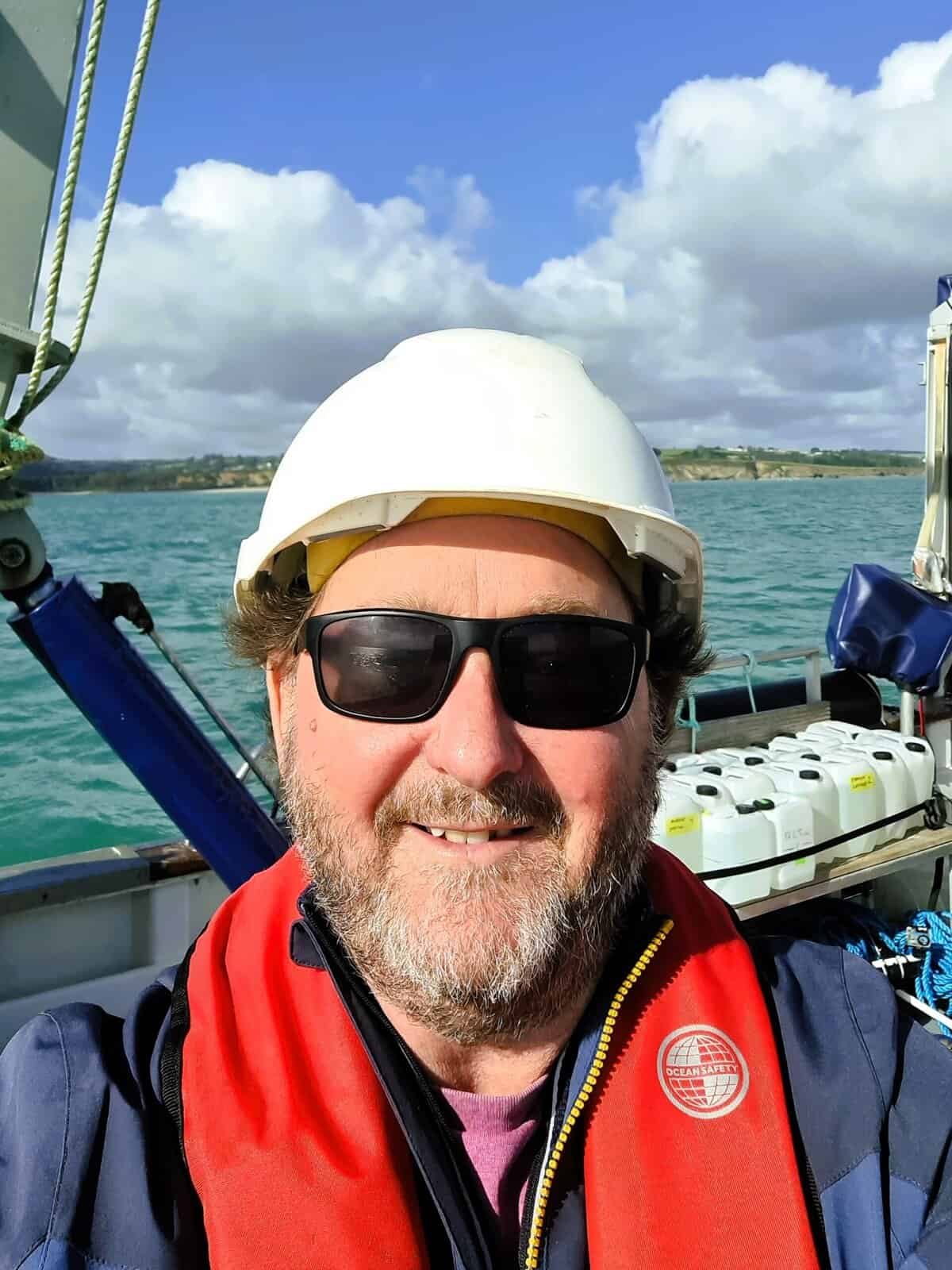
Bryce is a marine ecologist and fisheries scientist who uses a multi-disciplinary approach to seek a balance between the needs of fisheries and conservation. He employs a mix of natural and social sciences, and works with a broad range of stakeholders to provide management and policy advice aimed at improving sustainability.
Achieving sustainable management of fisheries has been described as a 'wicked problem', only further complicated by climate change. Using a series of case studies, Bryce will demonstrate how working across disciplines and with a broad range of stakeholders can help to tackle this problem and help to encourage a greater sense of stewardship towards our marine environment.
Patterns across ecological scales
University of St. Andrews
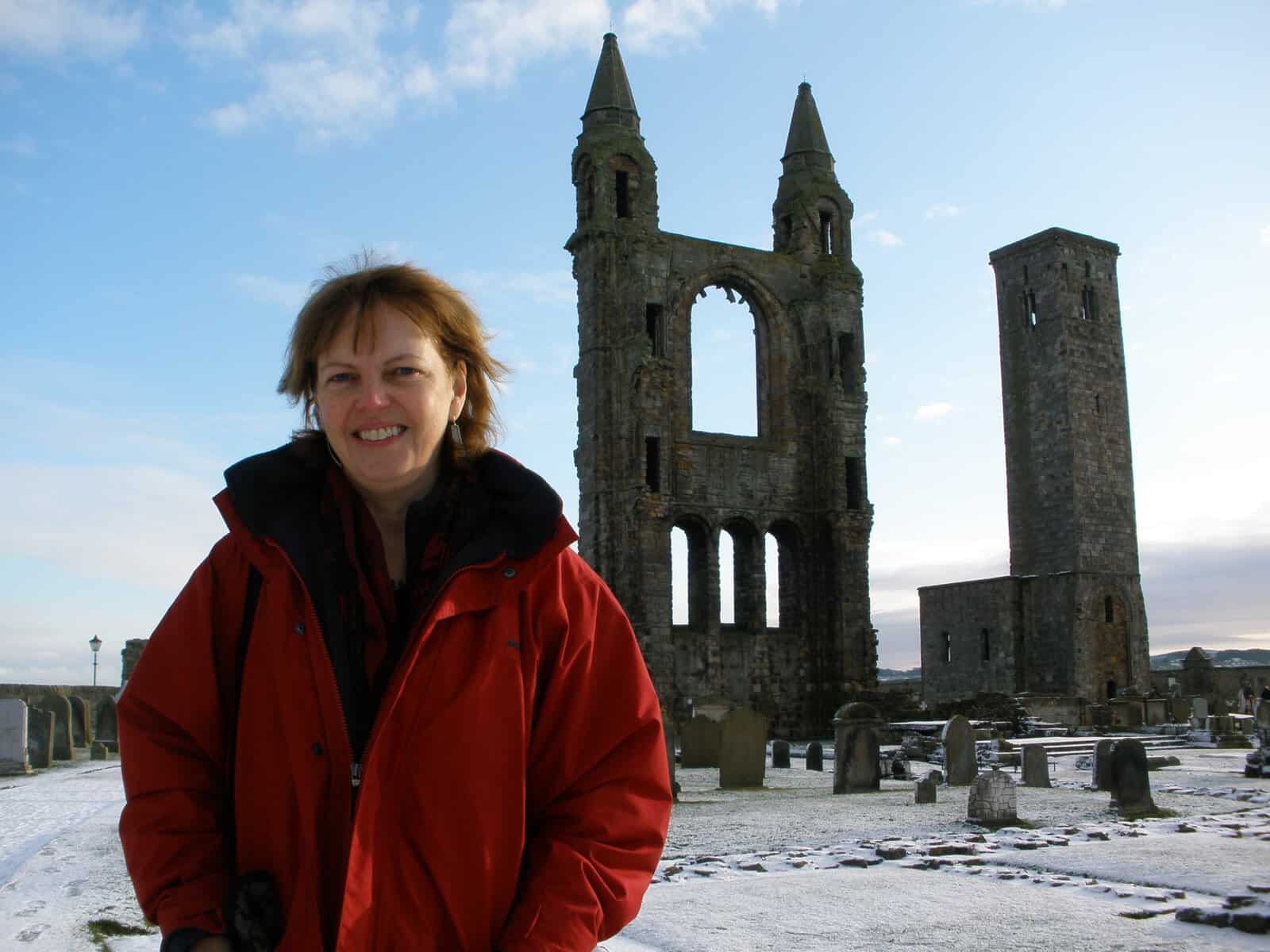
Anne is an ecologist who works on the patterns and processes that shape biodiversity change over space and time. Her research spans the taxonomic, functional and phylogenetic dimensions of diversity, in a range of systems, but particularly fish, involves collaborations with many colleagues around the world, and extends from the flooded forests of the Amazon to the chilly waters of the North Sea.
As Darwin appreciated, ecological communities are never static. Here, drawing on recent research on fish assemblages, both marine and freshwater, Anne will consider how this biodiversity change plays out across different spatial and temporal scales, and amongst the different dimensions of diversity.
Movement through transition zones
National Oceanography Centre
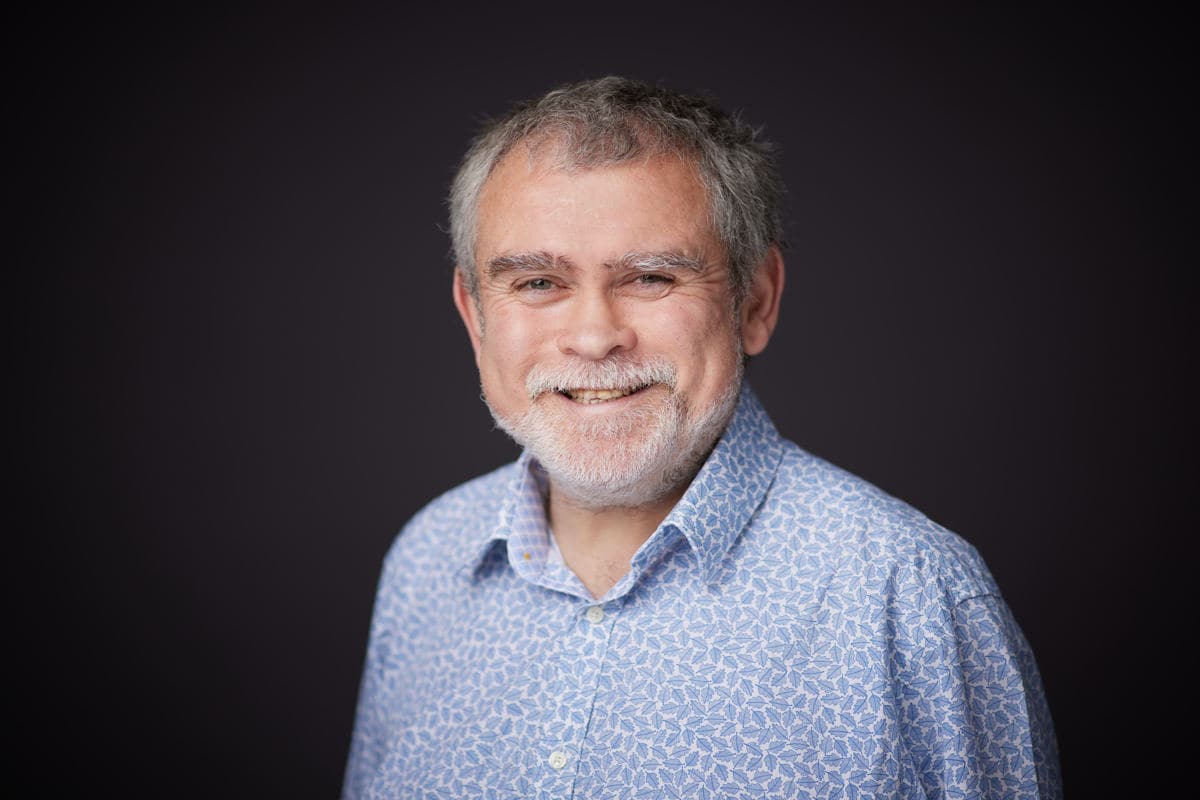
Alex is a marine ecologist who is interested in how biodiversity is distributed in the ocean, especially in the deep sea and on deep tropical coral reefs. He is also interested in human impacts on the ocean and how to manage human activities to mitigate or reduce degradation of marine ecosystems. His work has taken him to the Atlantic, Caribbean, Indian, Pacific and Southern Oceans as well as Arctic Seas investigating coral reef ecosystems, both in shallow water and the deep sea, seamounts, deep-sea hydrothermal vents and hydrocarbon seeps. Alex has worked with governments, intergovernmental and non-governmental organisations on human impacts, especially those from deep-sea fishing and climate change, and on the development of policy solutions to such problems. Alex published the book The Deep: The Hidden Wonders of the Ocean and How to Protect Them.
Fish biology in an urbanized environment
Southern IFCA
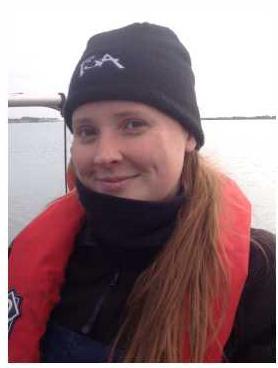
Southern Inshore Fisheries and Conservation Authority, as one of 10 IFCAs around England, lead, champion and manage a sustainable marine environment and inshore fisheries, by successfully securing the right balance between social, environmental and economic benefits to ensure health seas, sustainable fisheries and a viable industry. Southern IFCA seek to champion prosperous inshore fisheries founded upon thriving marine environments.
Black seabream (Spondyliosoma cantharus) are a designated species for three Marine Conservation Zones (MCZs) in Dorset, England. The MCZs are in close proximity to important coastal urban areas, and the species is intrinsically linked to coastal communities, supporting fishing stakeholders across multiple sectors. Delivery of appropriate management to meet parallel policy objectives of achieving legal duties for the conservation of MCZs and facilitating further understandings of this data-poor species was achieved through a co-development approach with the Dorset Community, seeking measures which are appropriate and proportionate in the context of key cultural, environmental, community and socio-economic considerations.
Abstract submission
***Abstract submissions for oral presentations and those applying for student grants is now closed.
We look forward to welcoming you to University of Southampton 27-31 July 2026 for the annual meeting of the Fisheries Society of the British Isles. Please submit your abstract and associated information here by 6 February 2026 (17:00 GMT). It should be no longer than 250 words and should summarise the aim of your work, the findings in brief, and your main conclusion. We will aim to let you know if your abstract is accepted, and its format, by end of day on Wednesday 25 February 2026. In this form, you will also be directed to include: yours and your co-author's details, your career stage, the themes that you are interested in participating in, your format preference, whether you plan to apply for a FSBI travel grant, and your interest in potentially contributing to the special issue arising from the symposium.
Registration
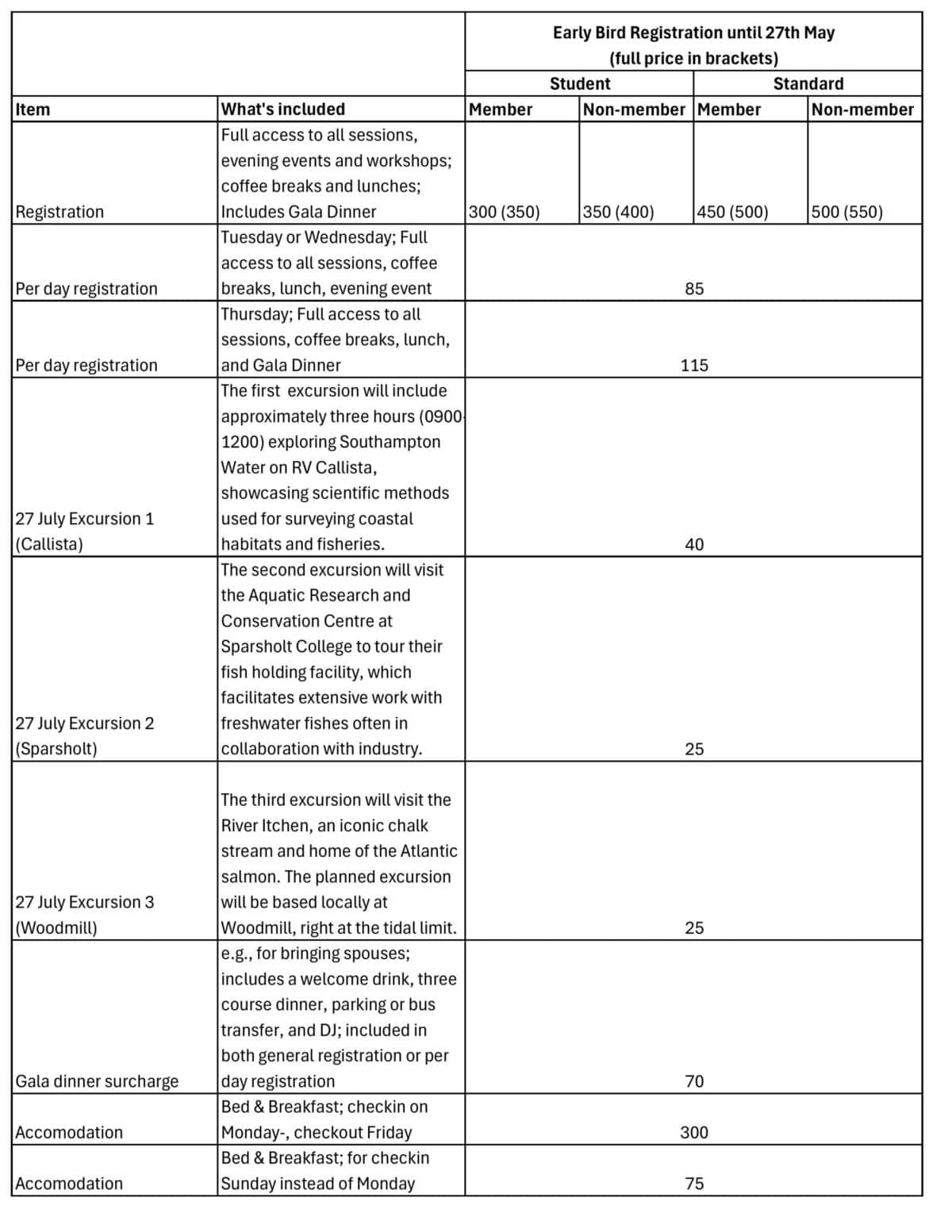
Registration is open, please see finalized costs below.
En suite accommodation is available to be booked at University Halls of Residence (close to the meeting location) and includes breakfast. Details on cost in the table below.
FSBI Travel Grants
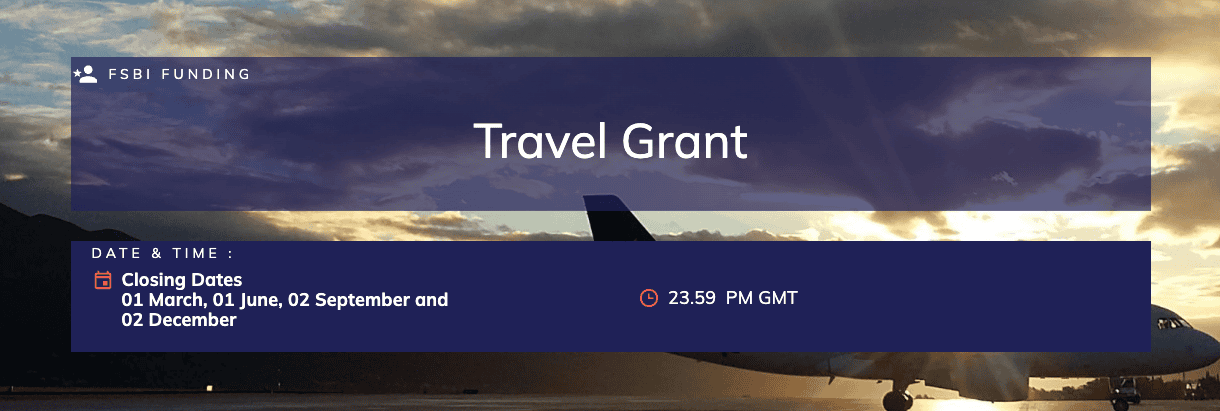
The FSBI offers the opportunity for its members to apply on a competitive basis for financial assistance in support of travel to the FSBI annual symposium. Note that only the 1st March deadline is applicable to this symposium. Click here for more information.
Key Dates
Note that this is our draft timeline and subject to change.
Abstract submission deadline: 1 February 2027
FSBI Travel grant deadlines: 1 December 2026, 1 March 2027*
Registration opens: 1 February 2027
Early bird and presenter registration closes: 1 May 2027
Late registration closes: 1 July 2027
Conference dates: 26-30 July 2027
* https://fsbi.org.uk/travel-grants, but please consider other travel grants as well as our grants are competitive (e.g. BES, Company of Biologists).
Venue
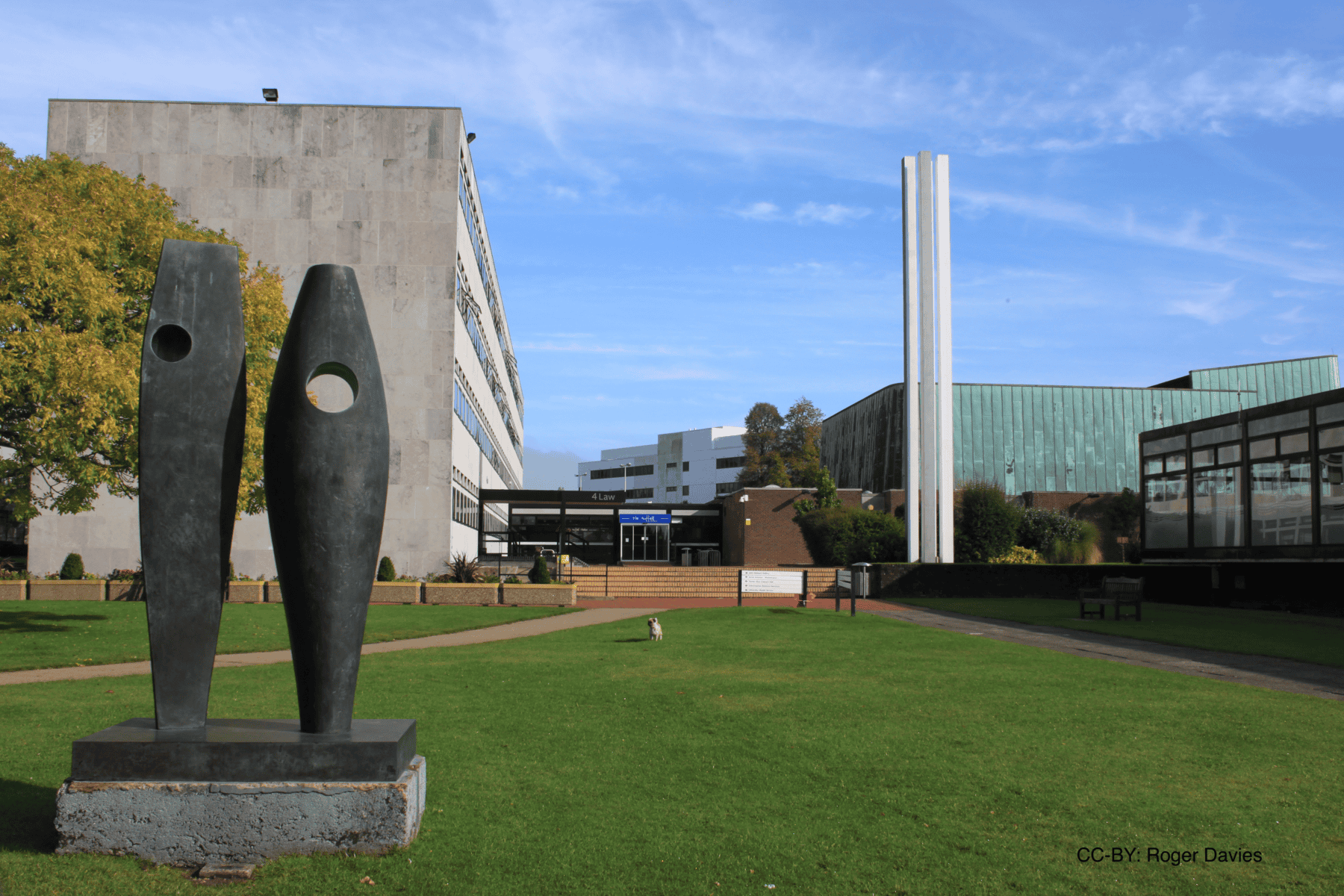
The 2026 symposium will be held at the University of Southampton, with the main venue for talks and posters the Centenary Building (B100) on the University's Highfield Campus.
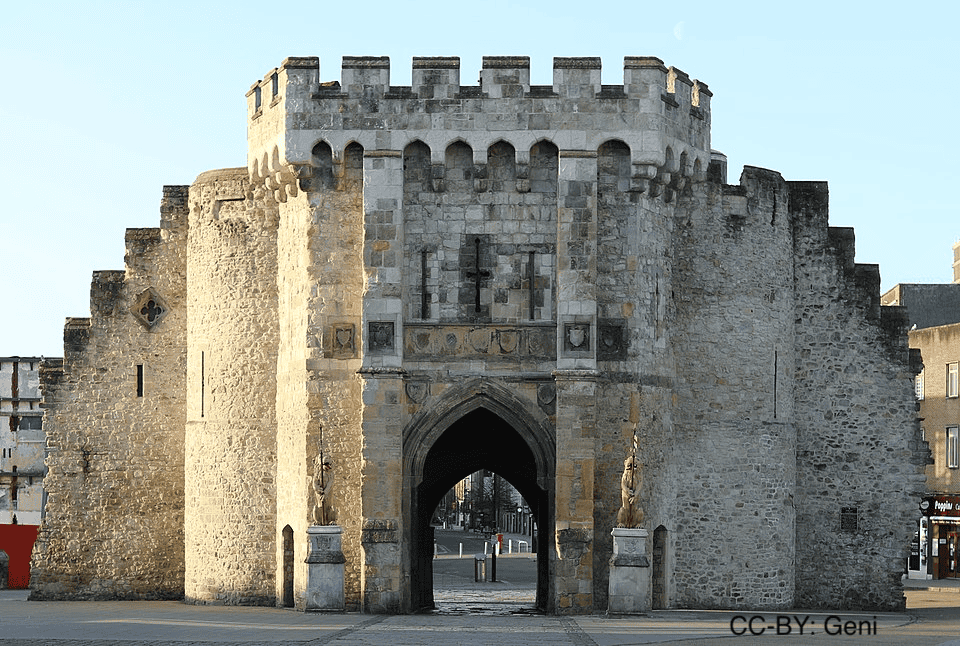
Social Events & Excursions
The organising committee has been busy planning a productive and exciting week! There will be workshops and special interest groups to brainstorm topics for synthesis papers, fun excursions and lots of social events, including a fish quiz, an early morning ‘spawning run’, and a drinks reception at National Oceanography Centre.
Excursions will take place in the morning on Monday 27 July, and include one marine and two freshwater activities.
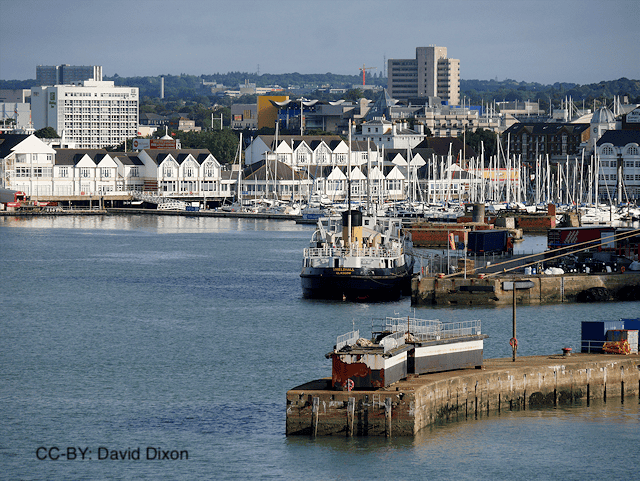
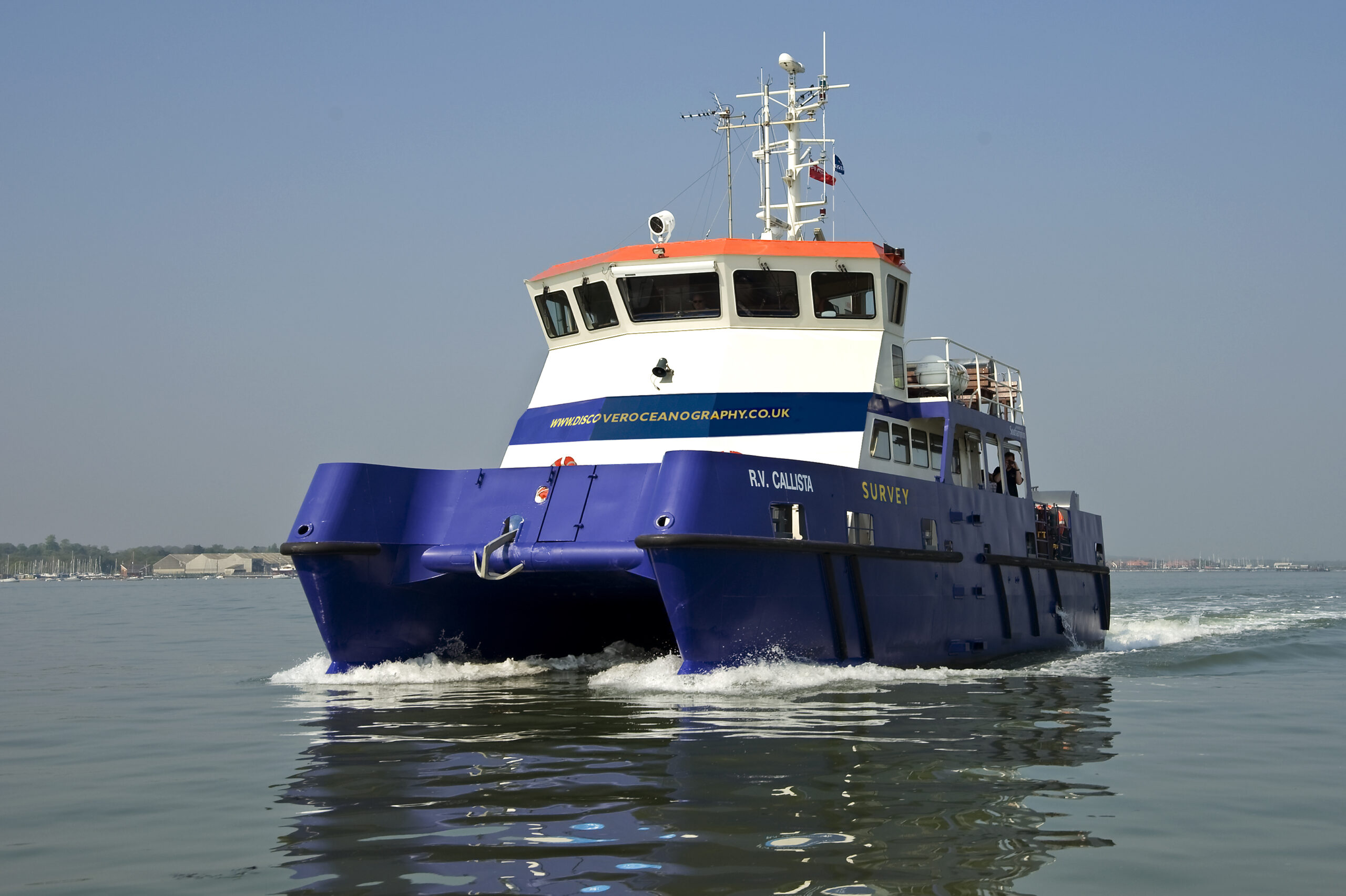
The first excursion will take place on R.V. Callista, our purpose built operational research vessel here at the University of Southampton's waterfront campus (based at the National Oceanography Centre). This planned excursion will include approximately three hours (0900-1200) exploring Southampton Water, showcasing scientific methods used for surveying coastal habitats and fisheries.
The second excursion will visit the Aquatic Research and Conservation Centre at Sparsholt College to tour their fish holding facility, which facilitates extensive work with freshwater fishes often in collaboration with industry.
The third excursion will visit the River Itchen, an iconic chalk stream and home of the Atlantic salmon. The planned excursion will be based locally at Woodmill, right at the tidal limit. As the number of salmon returning to the river continues to decline, you will hear from multiple stakeholders that are working together to reverse this trend. The urban location provides an ideal site for discussing some of the challenges and opportunities surrounding salmon conservation and management.
Childcare
We are exploring availability of childcare through a local nursery or creche. This would be an additional expense. If you would like to request further information on this, please email the organizing committee at fsbi2026@soton.ac.uk. We are committed to working with individuals to make the meeting as accessible as possible to those with caring responsibilities.
Gala Dinner at the Harbour Hotel
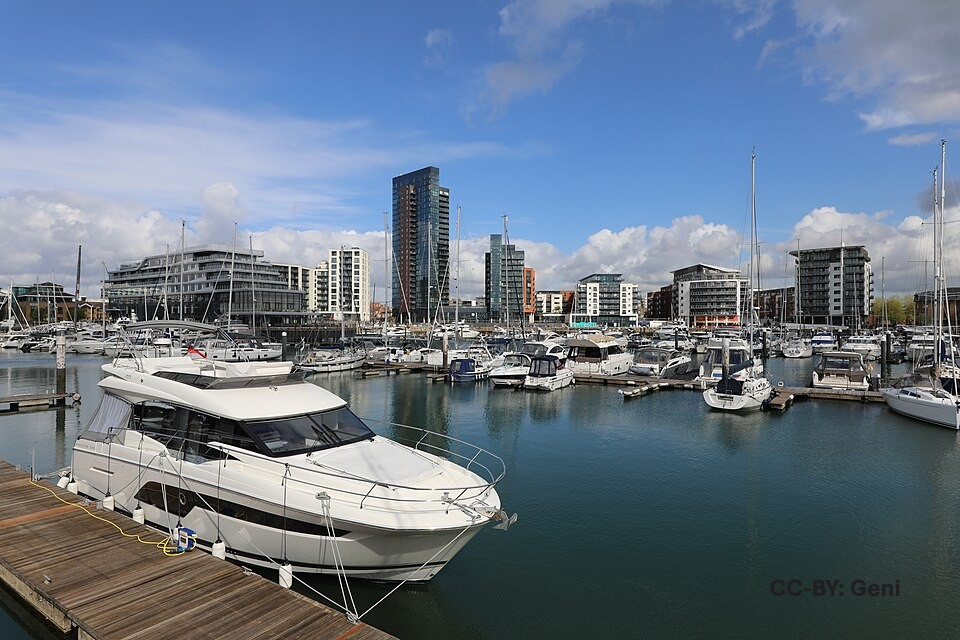
The Gala Dinner will be held at the stunning Harbour Hotel on 30th July 2026 from 7pm. The Harbour Hotel is located in Ocean Village with incredible views of the Solent in a private marina. The evening will include an arrival drink, a three-course dinner and a DJ.
Accomodation
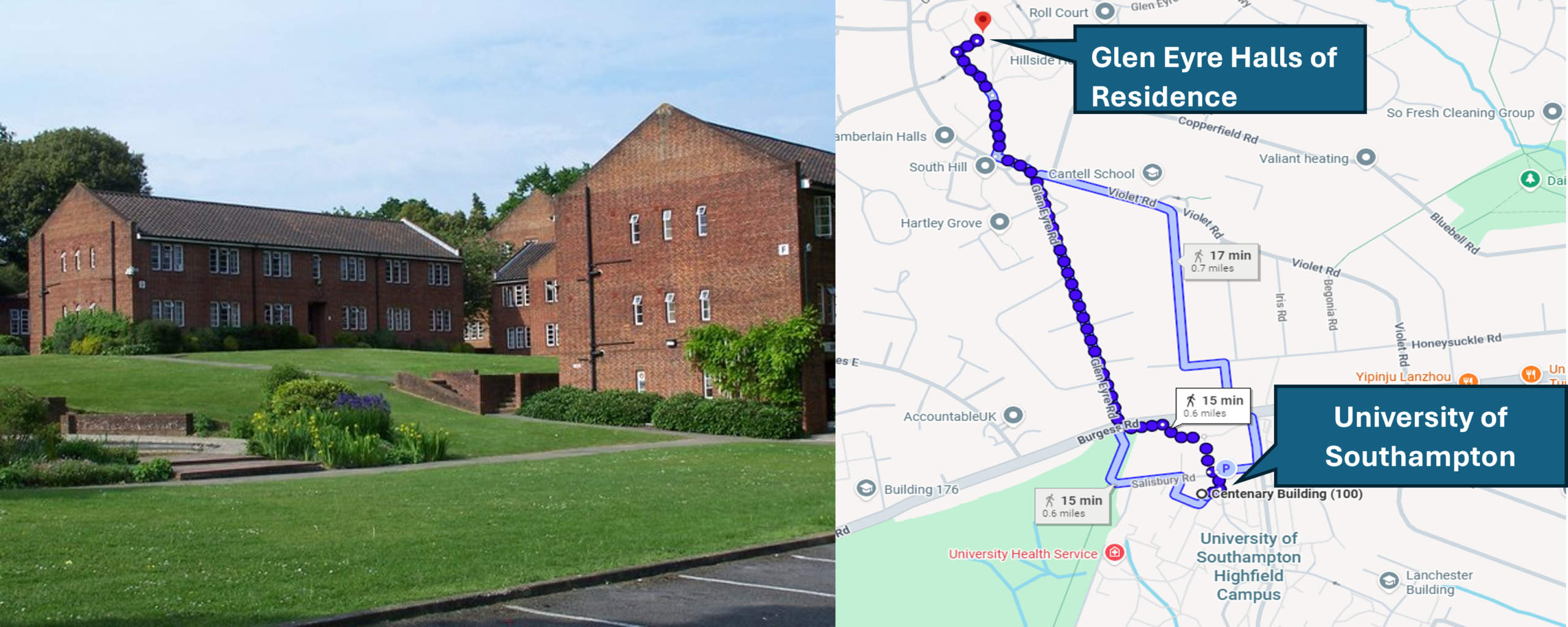
Glen Eyre Halls is approximately a 15-minute walk from the University's Highfield Campus. The rooms are private, single rooms with an ensuite and a shared kitchen, available from Sunday (26th) to Friday (31st). If you require accomodation, there is an option to include this in the Additional Items section when you register for the Symposium.
Travel information
We are excited to announce the FSBI will be unveiling their second round of “Green Travel Awards” at the 2026 Symposium in Southampton. These awards are intended to promote awareness of the climate crisis and to encourage those that are coming in person to make greener travel choices wherever possible.
We realize that funding issues, family commitments and other time or work constraints may prevent you from going as ‘green’ as you would like to, but we applaud any efforts that reduce your environmental footprint. So please consider trying to use greener modes of travel and share your story to be in the running for a Green Travel Award.
Help us to promote these new awards by sharing your travel plans/ideas/journey on social media tagged with #FSBIGreenTravel. To enter the award please fill out this form: https://tinyurl.com/FSBIGreenTravel. We will collate and share our favourite stories, and at the banquet we will announce three winners (Fish Net Zero; Not Flying Fish; Fish Against Flying). Any questions please email anna.sturrock [at] essex.ac.uk
There is some helpful advice on travelling to Southampton on the Visit Southampton webpage, and we will add more detail about getting to the conference venue here in due course. Please try to travel reducing your carbon footprint as much as possible.
TRAIN
Southampton Central rail station is served by direct trains to and from many cities - about 1.5 hours from London, 4 hours from Manchester and 2.5 hours from Birmingham. National Rail Enquiries is a good place to find out more.
BUS/COACH
There is a National Express coach station in Southampton, with links to many major UK cities. Find out more on the National Express website.
CAR
You can access Southampton from the M3 and M27 motorways.
AIRPORTS
Southampton Airport is the closest airport accessible from select locations. Visit the Southampton Airport website for more details on flight routes and fares. London Heathrow Airport is well connected to Southampton with direct routes on the National Express coaches taking approximately 2 hours and costs ~£25 for a one-way trip.
GETTING AROUND SOUTHAMPTON
Southampton is well connected through various bus routes with a dedicated Unilink bus service for transporting university staff and students across the city, including from Southampton Airport. For more information on bus routes and fares, visit the Unilink website.
If you are arriving by train, Southampton Central Station is close to the city centre and you can take the U2 or U2B bus directly to the University's Highfield Campus (~25 minutes) from Central Station (Stop A) by Blechynden Terrace. A taxi from the train station to Highfield Campus will cost approximately £10 - £15.
The National Express Coach Station is a short walk away from the closest bus stop (ASDA & Marlands) which you can take the U1A up to Highfield Campus. A taxi up to Highfield Campus will cost approximately £10.
Accomodation provided is based at Glen Eyre Halls near Highfield Campus, approximately 1000 m from the venue (B100). The U2/U2B bus from the train station stops directly outside the halls and there are bus stops close by for transport into the city centre.
Registration and the Welcome Reception with be held at the National Oceanography Centre Southampton (NOCS) on the 27th July. NOCS is easily accessible via the U1C from the Highfield Interchange on campus and other southbound bus stops along the route (~35-50 minutes).
Instructions for Presenters
Posters
A poster consists of easily read text and graphics, and describes your study’s objectives, methods, findings, and conclusions. Here is a great blog post from the British Ecological Society with tips on making an engaging and eye-catching poster.
The preferred poster size format is A0 (841mm wide x 1189 mm high or 33.1 inches x 46.8 inches). If you prefer a smaller size, that is fine, but no single dimension should be greater than 1189 mm.
Posters need to be a single sheet of printable stock that can be affixed to the display board using Velcro, which we will provide.
Posters can be put up from lunch time on Tuesday to the afternoon coffee break on Wednesday. They will need to be taken down after the poster session concludes on Wednesday night.
Oral Presentation
Oral presentations will have a standard 15-minute time slot, including questions. We aim for a 12-minute talk, with 3-minutes for questions.
Speed Talks
These are three-minute presentations that will provide a supplement of the associated poster. Presentations are a maximum of three slides (but less is also ok and encouraged!). We will need to be strict on time, so people can join you to ask questions during the poster session. Here is a link to some great tips, using the three-minute thesis as an example.
For both oral presentations and speed talks: the preferred format for the slides is Powerpoint widescreen (16:9).
We will provide instructions on uploading your slides closer to the meeting.
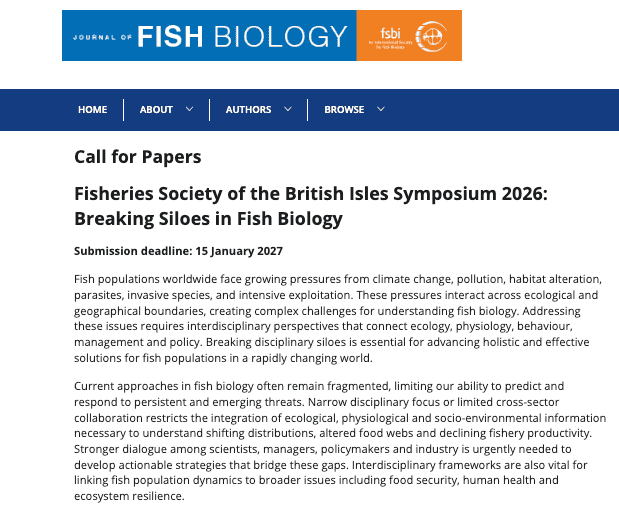
Special Issue of the Journal of Fish Biology
More details coming soon
Workshops
Conference Day 1
Information on the Day 1 (Monday 27th) workshops to follow.
Integrating Large Language Model Tools into R Workflows
One-day online course organized by Physalia-courses in conjunction with the FSBI Annual Symposium 2026
4th August; 1-6 PM Berlin time
FSBI Medal Winners
HUNTINGFORD MEDAL
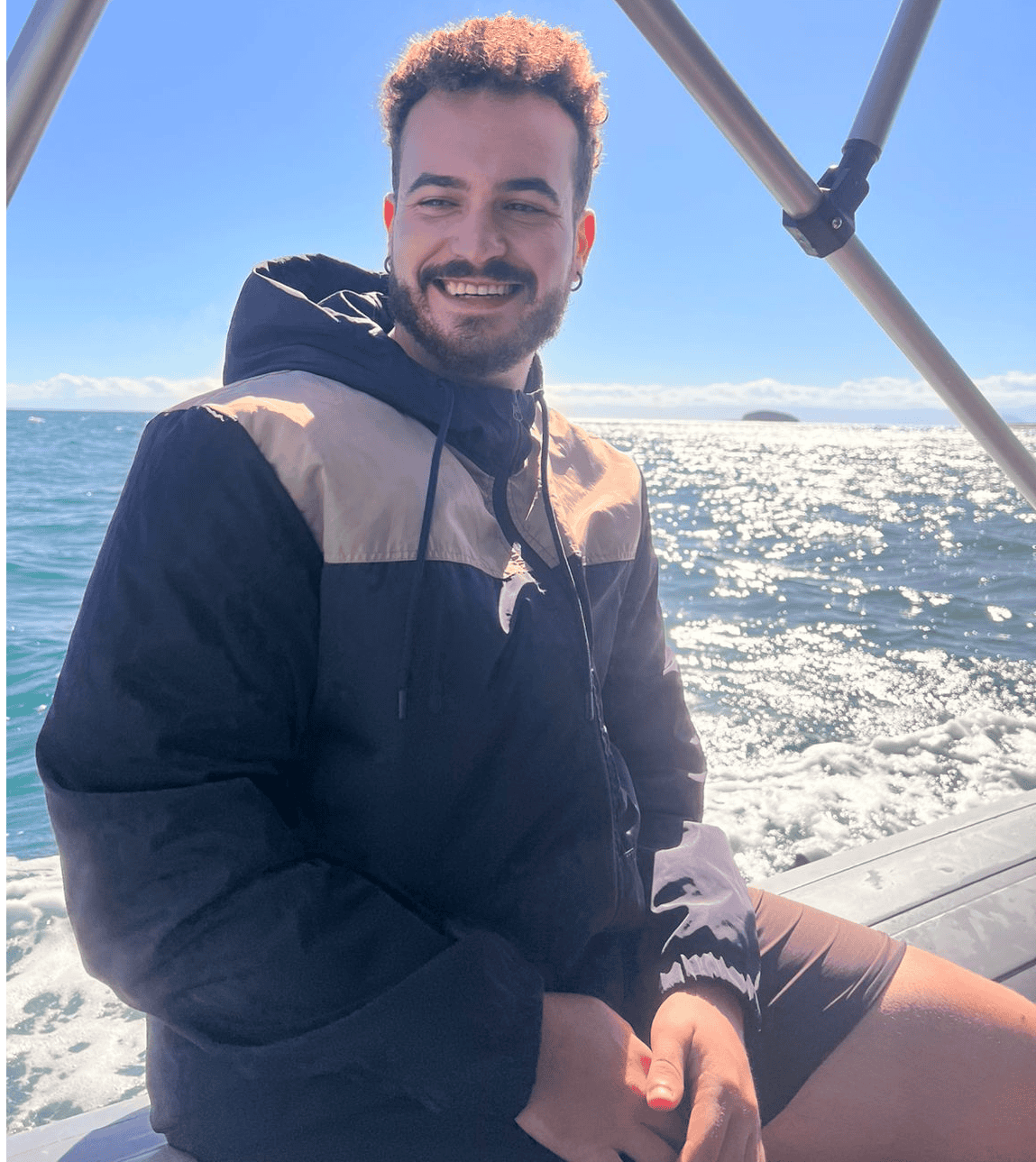
Esteban Jorcin Nogueira
The Huntingford medal is awarded to the most impactful paper published in in the Journal of Fish Biology.
Esteban is a Master’s student from the Biosciences Institute, University of São Paulo, Brazil.
He is committed in understanding how the Theory of Island Biogeography shapes both species richness and stability in reef fish communities of the Southwestern Atlantic over a 20 years temporal scale. His work also focus on understanding how marine heatwaves are associated with the community variation and how biogeographical characteristics might modulate those responses to climate change.
During his talk, Esteban is going to present his paper, the main findings and conclusions.
FSBI MEDAL
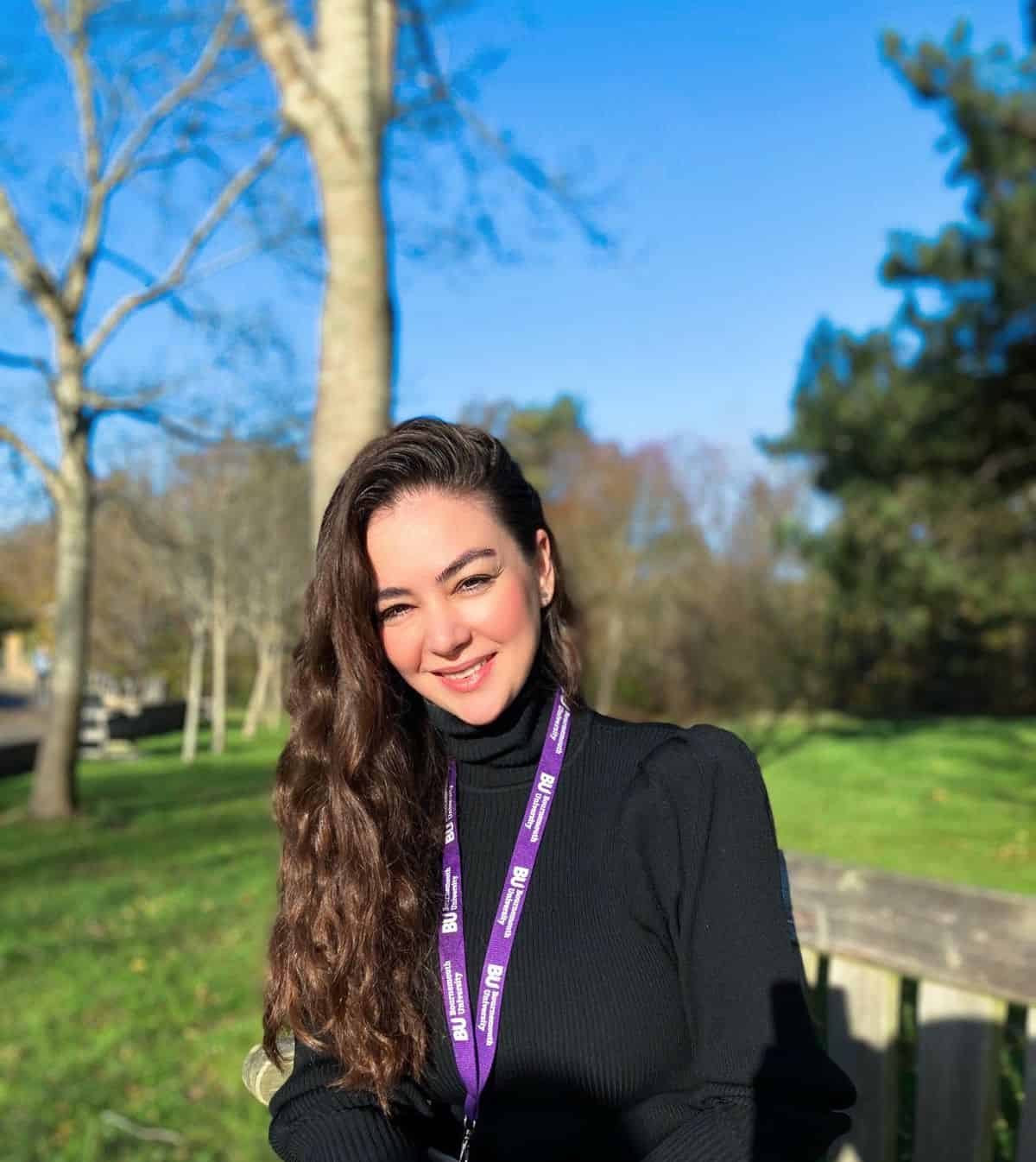
Dr. Irmak Kurtul
FSBI Medal 2026 is awarded in recognition of contributions to fish biology and fisheries science.
Dr. Kurtul is a Marie Skłodowska-Curie Postdoctoral Research Fellow at Bournemouth University (UK) and an Associate Professor at Ege University, (Türkiye).
Her research focuses on fish ecology, freshwater biodiversity, invasion biology, and the impacts of environmental change on aquatic ecosystems. Combining field-based research with ecological modelling, biomonitoring, and genetics, her work aims to support sustainable ecosystem management and freshwater conservation.
During her talk, Dr. Kurtul will provide an overview of Türkiye’s freshwater resources and rich fish biodiversity, highlighting their potential for ecological, conservation, and fisheries-related research. Moreover, she will also discuss how experiences and approaches gained through UK-based research can be adapted and applied within Türkiye.
Opportunities and potential pathways for UK researchers interested in developing short- or long-term research collaborations in Türkiye will be highlighted.
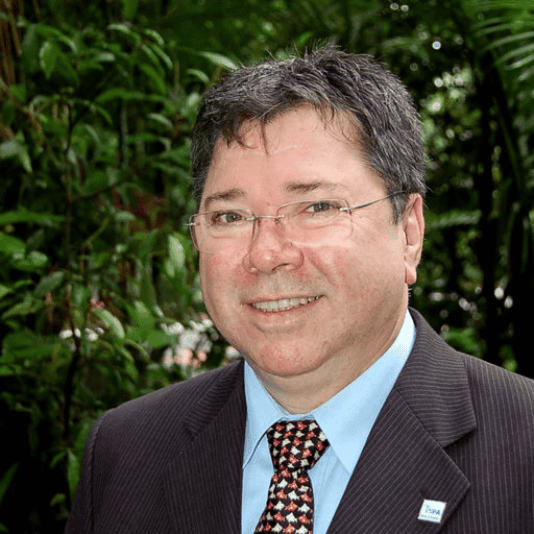
LE CREN MEDAL
Dr. Adalberto Luis Val
The Le Cren medal is awarded to one or more individuals who have made a lifelong contribution, with a focus on conservation, training or public understanding.
Adalberto (Dal) Luis Val is a Brazilian freshwater biologist with a distinguished career spanning more than four decades, dedicated to understanding the biology of Amazonian fishes and their responses to environmental change. He is a senior researcher at INPA, where he co-leads the Laboratory of Ecophysiology and Molecular Evolution and is Director of INPA (2006–2014) and Director of International Relations at CAPES (2015–2016). He currently serves as Vice-President (Northern Region) of the Brazilian Academy of Sciences.
Dr. Val has authored over 280 peer-reviewed articles, 22 books, and 78 book chapters, and has supervised a large number of graduate students and postdoctoral researchers. His work has received more than 10,000 citations and has been recognized with major national and international awards, including the Grand Cross of the Brazilian National Order of Scientific Merit and the Award of Excellence from the American Fisheries Society.
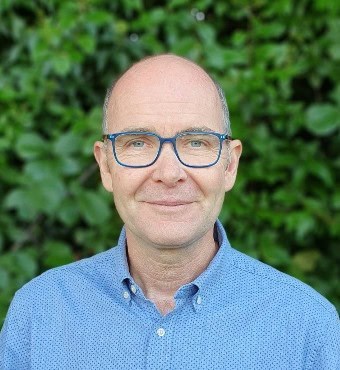
BEVERTON MEDAL
Dr. Simon Jennings
The Beverton Medal is awarded to an individual in recognition of ground-breaking research and lifelong contribution to the study of fish and fisheries science.
Simon is a marine scientist and science adviser. Currently works for the International Council for the Exploration of the Sea (Denmark) and the Centre for Environment, Fisheries and Aquaculture Science (UK)—helping to develop science advice and to facilitate science.
Through wide-ranging collaborations, he contributed to advances and applications of ecosystem-based approaches to management, especially in fisheries. Outcomes include better quantitative understanding of fishing effects; stronger links between fundamental and applied research; development of new concepts and methods; and orientation of research, monitoring, assessment and management towards ecosystem issues.
Symposium Committees
Local Organising Committee
Lauren | Nadler | University of Southampton |
Claudia | Ofelio | University of Portsmouth |
Ryan | Reisinger | University of Southampton |
Christopher | Goatley | University of Southampton |
Martina | Stiasny | University of Southampton |
Nic | Bury | University of Southampton |
Clive | Trueman | University of Southampton |
Robert | Robinson | University of Southampton |
George | Clarke | University of Southampton |
Andrew | Vowles | University of Southampton |
Mahmud | Hasan | University of Southampton |
Rebecca | Bridge | University of Southampton |
Oscar | Speed | University of Southampton |
Lucy | Hempleman | University of Southampton |
Jethro | Reading | University of Southampton |
Ben | Bluck | University of Southampton |
Vicky | Dominguez Almela | University of Southampton |
Helen | Currie | University of Portsmouth |
Paul | Kemp | University of Southampton |
Bex | Greatorex | University of Southampton |
Anna | Sturrock | University of Essex |
Will | Perry | Cardiff University Water Research Institute |
Chris | Brodie | Haskoning & Trace Biomonitoring |
Gwilym Rowlands University of Southampton
Eilie Richmond University of Southampton
Scientific Advisory Committee
Lauren | Nadler | University of Southampton |
Ryan | Reisinger | University of Southampton |
Christopher | Goatley | University of Southampton |
Martina | Stiasny | University of Southampton |
Nic | Bury | University of Southampton |
Clive | Trueman | University of Southampton |
Robert | Robinson | University of Southampton |
Andrew | Vowles | University of Southampton |
Helen | Currie | University of Portsmouth |
Paul | Kemp | University of Southampton |
Anna | Sturrock | University of Essex |
Catherine | Gutmann Roberts | RSK Biocensus |
Demetra | Andreou | University of Bournemouth |
Gwilym Rowlands University of Southampton
Tea Basic Cefas
Vicky | Dominguez Almela | University of Southampton |

The 2026 FSBI Symposium is proudly convened by
And sponsored by

Biosystems is the commercial division of Tropical Marine Centre Ltd, and manufacture Recirculation Filtration Systems, biologically optimised LED Lighting, and advanced Lighting Control Systems.
We aim to achieve the highest standard, maintained through the good will and dedication of the council (who are the charity trustees) for the FSBI. We are always interested to hear member feedback, and are pleased to attend the Annual Symposium to ensure we stay in touch with all those concerned.
The FSBI is registered in the United Kingdom as a charity (Number: 256475) and is affiliated to the Royal Society of Biology. Contact FSBI support Line at 020 3925 3477 or Email theteam@fsbi.org.uk